TRAINING AND BROCHURE | Umid
Search Database Login
UMID · AIIMS New Delhi

Training Brochure

How we work and how you will be trained to become proficient in DNA profiling, the gold standard in forensic DNA analysis.

6 training modulesFrom sample collection to STR data interpretation
Hands-on lab practiceReal biological samples and simulated case studies
27 STR marker kitAmplification and capillary electrophoresis analysis
Our approach

How We Work & How You Will Be Trained

At our center, we provide comprehensive training on DNA Profiling, the gold standard in forensic DNA analysis. This brochure outlines our step-by-step process and how you will be trained to become proficient in DNA profiling.

Our program covers theoretical foundations, hands-on laboratory experience, and forensic case study applications to ensure you are well-equipped for real-world forensic DNA analysis.

Step by step

Training Modules & Workflow

1

Sample Collection & Preservation

Understanding Biological Samples

  1. Blood, saliva (buccal swabs), semen, hair, bone, and tissue samples.
  2. Sample handling techniques to avoid contamination.

Collection Methods

  1. Post-Mortem sample collection and storage.
  2. Sample collection from living subjects.

Preservation & Storage

  1. Use of sterile collection kits.
  2. Temperature-controlled storage methods.
  3. Sample labeling and documentation for traceability.
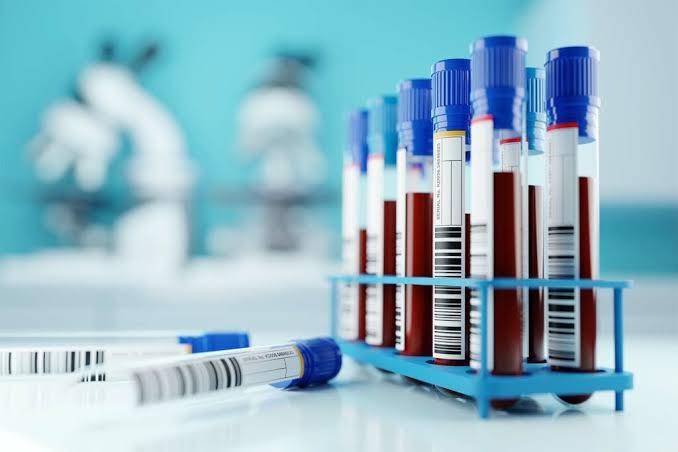
Sample collection and preservation training

Training Focus: Hands-on practice with collection kits, labeling, and documentation.
2

DNA Extraction

Extraction Methods

  1. Organic (Phenol-Chloroform).
  2. Automatic DNA Extraction.
  3. Silica column-based extraction.
  4. Magnetic bead-based purification.

Steps of DNA Extraction

  1. Lysis: Breaking open cells to release DNA.
  2. Protein Removal: Eliminating proteins using organic solvents or protease treatment.
  3. Purification: Using alcohol precipitation or column-based methods.
  4. Storage: Storing extracted DNA at -20°C to -80°C.
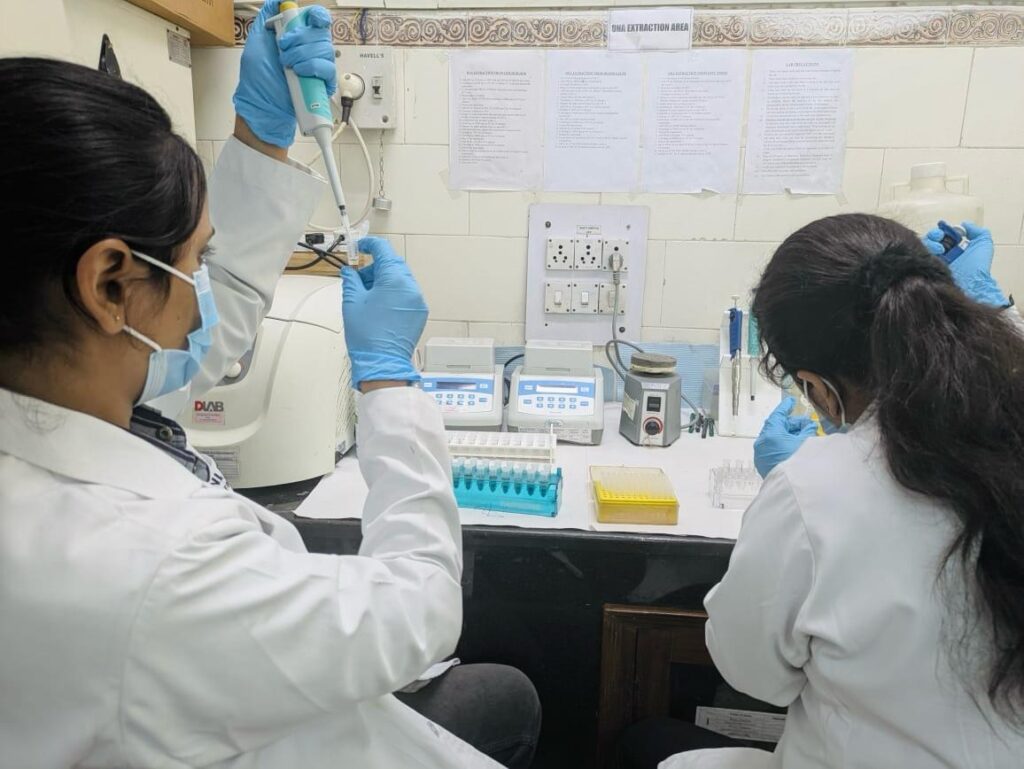
DNA extraction training

Training Focus: Hands-on extraction of DNA from biological samples.

3

DNA Quantification

Purpose of Quantification

  1. Assessing DNA quality and quantity before PCR.
  2. Ensuring optimal DNA input for amplification.

Techniques Used

  1. Spectrophotometry (NanoDrop): Measures DNA concentration based on absorbance at 260/280 nm.
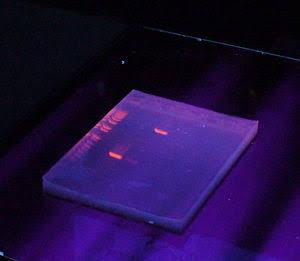
  2. Agarose Gel Electrophoresis: Uses EtBr to quantify DNA.
  3. Quantitative PCR (qPCR): Determines human-specific DNA quantity for STR profiling.
DNA quantification training

Training Focus: Practical experience using NanoDrop, Gel Electrophoresis, and qPCR for DNA quantification.

4

Polymerase Chain Reaction (PCR) Amplification

Principles of PCR

  1. Denaturation, Annealing, and Extension.
  2. Multiplex PCR for amplifying multiple STR loci.

STR Kits Used

  1. 27 STR Marker Kit.

PCR Setup

  1. DNA template, primers, buffer, dNTPs, polymerase.
  2. Thermal cycling conditions for STR amplification.
  3. PCR contamination control.
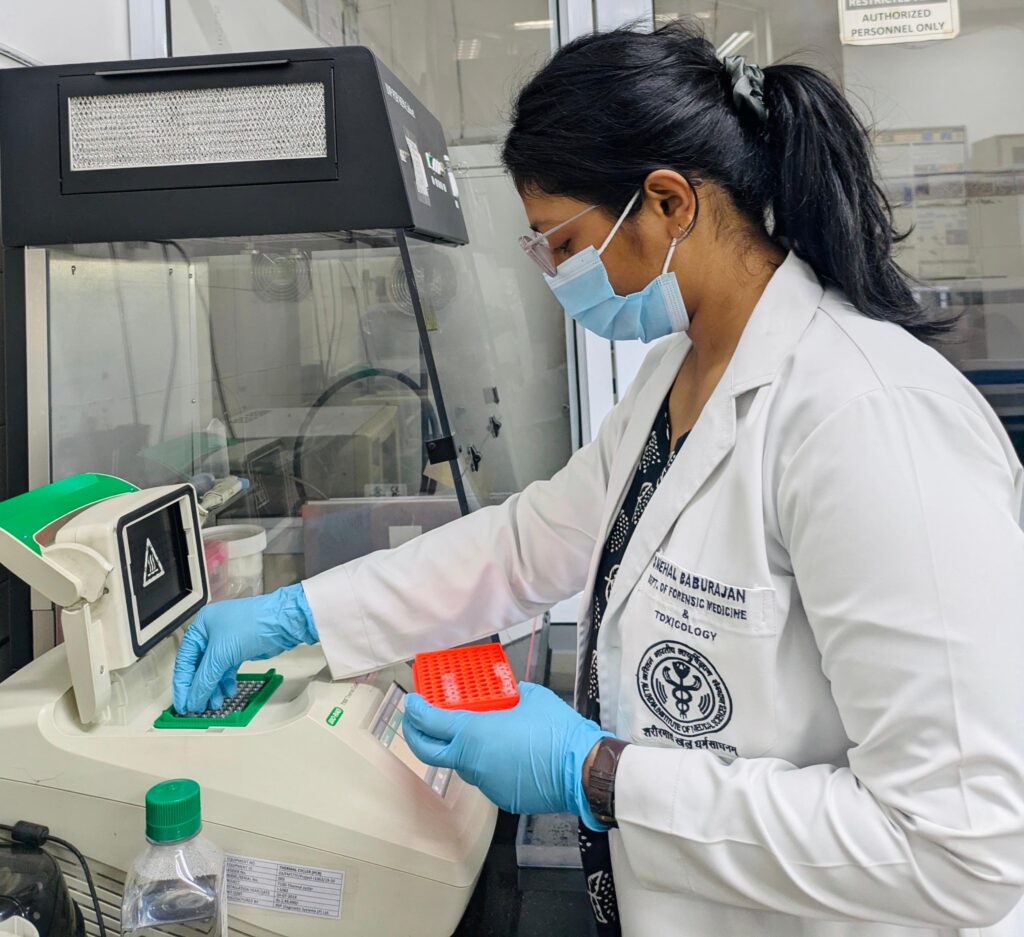
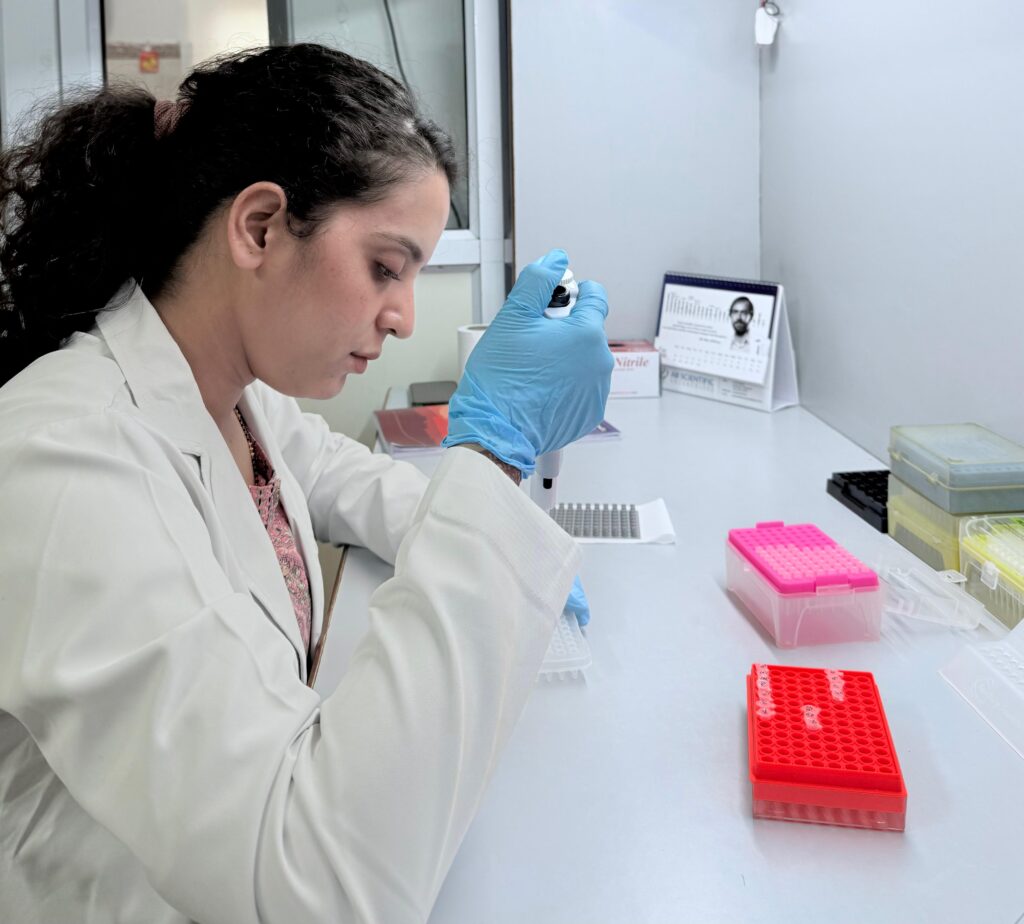
PCR amplification training

Training Focus: PCR setup, reagent preparation, and thermal cycling.

5

Capillary Electrophoresis (CE) & STR Analysis

Introduction to Capillary Electrophoresis

  1. Separation of DNA fragments based on size.
  2. Use of fluorescent dyes for STR detection.

Equipment Used

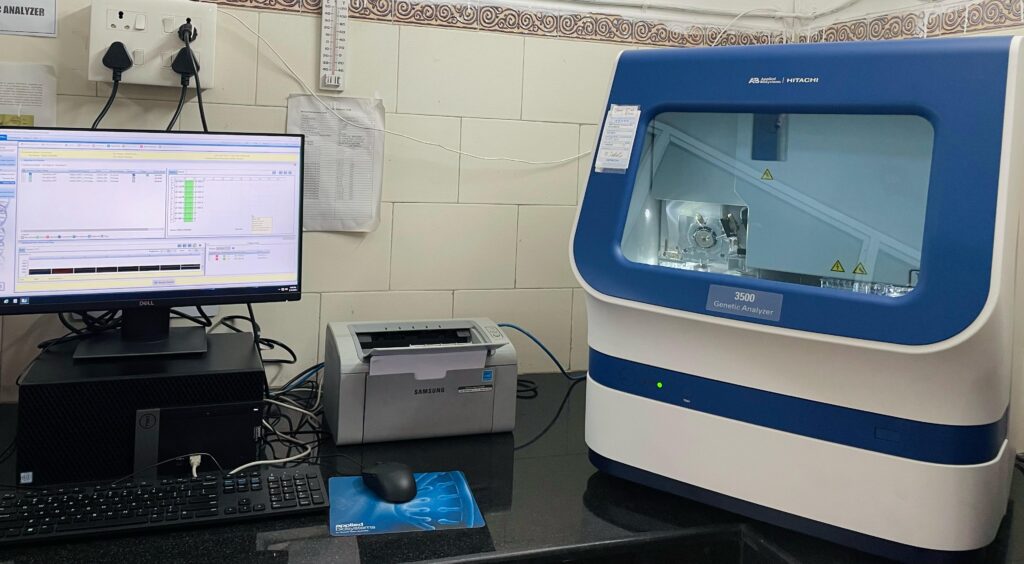
  1. ABI 3500/3500xL Genetic Analyzer.
  2. Sample preparation and loading.

Data Analysis

  1. Interpretation of electropherograms.
  2. Identifying peaks, stutter, artifacts, and allelic dropout.
Capillary electrophoresis training

Training Focus: Operating CE instruments and analyzing STR profiles using GeneMapper software.

6

STR Data Interpretation & Quality Control

Understanding Electropherograms

  1. Peak height ratios, allelic ladders, and stutter analysis.
  2. Interpretation of homozygous vs. heterozygous peaks.

Ensuring Data Accuracy

  1. Internal positive and negative controls.
  2. Addressing contamination and drop-in/drop-out artifacts.

DNA Database

  1. UMID-AIIMS DNA Database.
STR data interpretation training

Training Focus: Comparative analysis of known and unknown STR profiles.

Practical learning

Hands-On Training Experience

Our training includes practical exercises such as:

  • DNA extraction from real biological samples
  • STR amplification and analysis using CE
  • Contamination control techniques
  • Data interpretation and reporting
  • Simulated case studies

Join us and become an expert in DNA analysis!